
Pre-Sale Renovations
Should You Renovate Before Selling Your Niagara Home? What the 2026 Market Actually Tells Us
By Ghassan Barakat, Founder & Owner · Published April 19, 2026 · Updated July 14, 2026
Using June 2026 Niagara market data, this guide helps homeowners decide which pre-sale updates deserve a closer look and which may not fit the sale plan.
If you are preparing to list in St. Catharines, Welland, Niagara Falls, or elsewhere in the region, the latest official Niagara numbers show a market with more choice than the long-run norm. CREA reports that 651 homes sold in June 2026, up 9 percent from June 2025. At month-end there were 3,364 active listings and 5.2 months of inventory; active listings were lower than a year earlier but still 36.8 percent above the 10-year June average. The composite benchmark price was $571,300, down 6.5 percent year over year.
Sold-home timelines also differ by property type. In the second quarter of 2026, CREA reported median days on market of 26 for single-detached homes, 35 for townhouses/rows, and 42 for apartments. Those are regional medians for sold properties, not a promise for a particular listing. The practical takeaway is that condition, presentation, price, and neighbourhood-level comparables still matter when buyers have alternatives.
This guide walks through the core question homeowners ask us: should you renovate before listing, or sell as is? We cover which updates tend to help in a soft market, which projects usually waste money before a sale, how to think about return on investment when buyers have choices, and a simple framework for deciding what to do next. It is general information, not real estate or tax advice. Confirm numbers and strategy with a real estate professional, appraiser, or accountant who knows your neighbourhood.
If you want a pre-sale renovation partner in Niagara that focuses on scope you can recover in the sale, not vanity upgrades, read our Pre-Sale Renovations service page or contact us for a quote.
Should You Renovate Before Listing, or Sell As Is?
There is no universal answer. Buyers compare your listing with nearby alternatives at a similar price. Renovating before selling can make sense when targeted work removes objections such as damaged finishes, worn flooring, peeling paint, or obvious deferred maintenance. Selling as is can make sense when the home is already clean and functional, when price reflects condition, or when major work would take too long or cost more than your local comparable-sales analysis supports.
Ask two honest questions before you sign a big contract:
- Will this change affect how confidently a buyer says yes, or only how much you enjoy the house during the last stretch before listing?
- Does the spend fit the neighbourhood? Luxury finishes in a mid range pocket rarely return dollar for dollar when buyers are price sensitive.
Your 2026 renovation budget assumptions should sit in the same conversation as list price and holding costs. Longer time on market has real carrying costs even when the mortgage is modest.
Renovations That Tend to Move the Needle in a Soft Market
These are common categories to discuss with a Niagara real estate professional when the goal is broad buyer appeal, not a magazine feature.
Kitchen refresh (usually not a full gut)
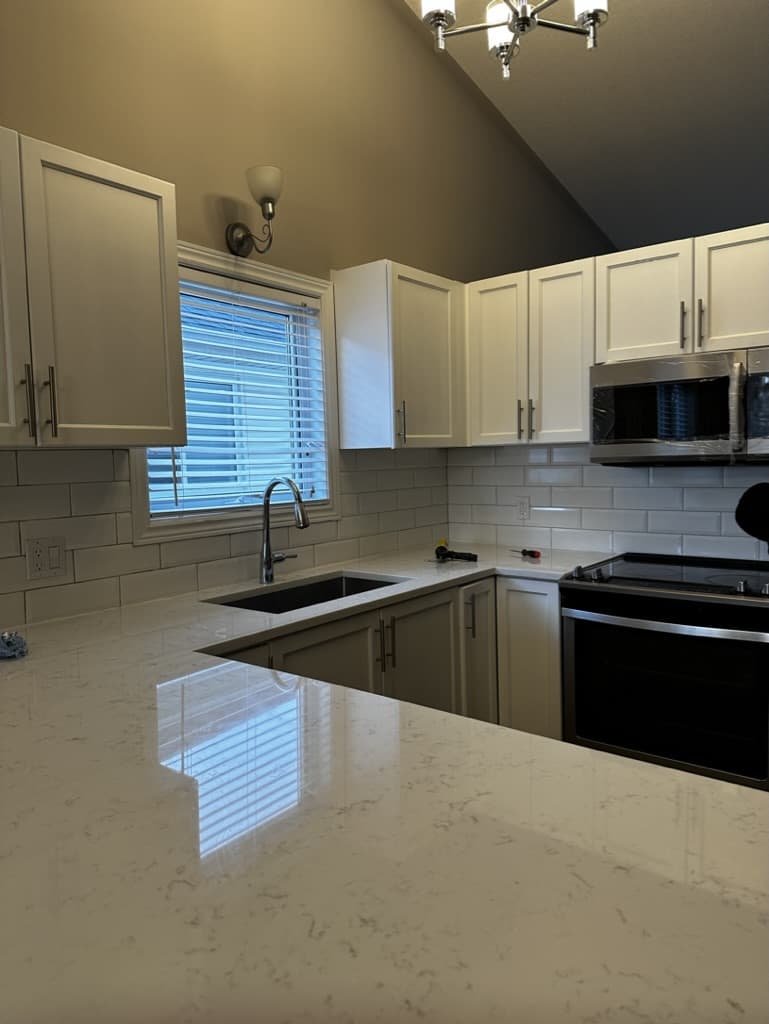
A full kitchen strip to studs is rarely the right pre-sale play unless the room is genuinely failing (layout unusable, water damage, safety issues). What usually performs better is a refresh: cabinet painting or refacing where it makes sense, modern hardware, consistent lighting, a sensible countertop upgrade if the old surface reads as damaged, and addressing anything that photographs badly. Buyers still anchor on the kitchen. You want it to feel clean, bright, and intentional.
Bathroom updates
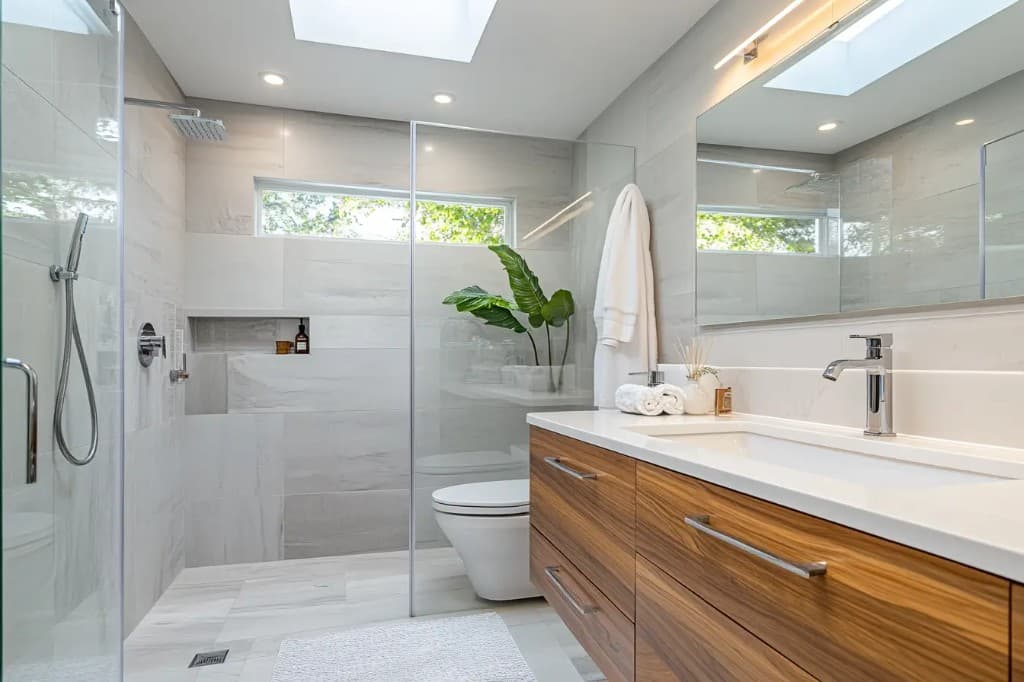
You do not need a spa. You need no leaks, good ventilation, solid grout and caulk, modern fixtures where the old ones look tired, and surfaces that do not signal deferred maintenance. A modest bathroom update can change how buyers feel during a showing even when they forget the exact dollar math.
Flooring
Scratched hardwood, worn carpet with odours, or mismatched flooring from room to room reads as work in online photos. Consistent, neutral flooring through main living areas often improves both perception and valuation conversations. Wide variation exists by product and home size, so treat numbers as planning ranges you validate with local comps, not promises.
Paint and trim
Interior paint in a cohesive, neutral palette can be a relatively low-disruption way to improve presentation before photography. Do not forget trim, doors, and ceilings where smoke, pets, or sun have dulled the finish. It is not glamorous. It is what makes a house feel maintained.
Curb appeal
In a slower market, some buyers never book a showing if the exterior looks neglected. Landscaping tidy up, front door paint, clean walkways, working exterior lighting, and obvious roof and gutter maintenance signal that the rest of the house was cared for. You are selling confidence, not a landscaping show.
Renovations to Avoid Before Listing (Unless Something Is Broken)
-
Over personalized finishes
Bold tile, niche built ins, or strong colour choices you love may narrow the buyer pool. Pre-sale work should skew neutral and widely acceptable. -
Luxury upgrades in mid range neighbourhoods
When prices are soft, buyers may not pay a premium for imported stone or top tier appliances if nearby sales do not support it. You can improve the home without outpricing the street. -
Pools and major outdoor lifestyle builds
Pools are taste and maintenance dependent. They are rarely a reliable pre-sale investment unless you are in a segment where buyers expect them. -
Full gut renovations purely to chase resale
A whole home redo right before listing spreads budget across many rooms and extends timelines. In 2026, that can mean missing the listing window you planned for, or finishing just as comparable inventory shifts again.
If the house has safety or insurance level defects, those are not “optional” upgrades. They are repairs. Handle them on their own logic, not under the same ROI lens as cosmetic improvements.
How to Think About ROI in a Choice-Heavy Market
No renovation dollar is guaranteed to come back at closing. Recovery is not linear. You are often choosing between:
- Recovering most or all of a modest, strategic spend when the improvement removes a major objection and lifts the competitive set you are compared against
- Adding less in sale price than the project cost, but still netting a benefit if the home sells faster with lower friction (fewer credits, fewer stalled offers)
- Spending in the wrong category, where buyers still discount the home because location, layout, or macro conditions cap what they will pay
Avoid using a generic online ROI percentage as a budget. Real outcomes in Niagara in 2026 depend on the municipality, neighbourhood, property type, starting condition, listing strategy, timing, and how well the scope matches buyer expectations. Your agent or appraiser can compare renovated and unrenovated local sales, while your accountant can help with tax questions.
A Practical Decision Framework
Use this sequence before you lock scope:
-
Get aligned on price and timeline
What list range is realistic for as is versus improved condition? If the gap does not cover the renovation plus taxes, stress, and holding time, reconsider. -
List the top three buyer objections
Usually they show up in kitchen, bathrooms, flooring, paint, exterior. Address those first. -
Separate repairs from upgrades
Fix what signals risk (moisture, electrical, roof, obvious code or safety items) before debating cosmetic tiers. -
Budget for staging and photography
Even strong renovations need light and composition. Do not skip presentation after you spend on the envelope. -
Know your walk away point
If the project grows, pause and re run the math. Pre-sale work should have a ceiling tied to expected sale outcomes.
When renovating usually wins: the home is solid but visibly dated in ways that show in every photo, and targeted work clearly moves you into a cleaner comp bracket.
When selling as is often wins: the property is already neutral and well maintained, the local market rewards price, or major work would be long, uncertain, and misaligned with buyer budgets.
Continue Planning Pre-Sale Work in Niagara
For scoped, market aware improvements instead of open ended spending:
- Read Pre-Sale Renovations for how we approach listing ready projects across the region
- Use our home renovation budget guide for Niagara to frame realistic scope assumptions before you commit
A disciplined plan should make clear whether a project is likely to help in this market, or if the budget is better reflected in pricing and presentation instead.
Sources
- CREA and Niagara Association of REALTORS: June 2026 market report
- CREA and Niagara Association of REALTORS: Q2 2026 market conditions
Last updated July 2026 with June and second-quarter 2026 CREA Niagara data. Market conditions and comparable sales change. Confirm strategy and current neighbourhood-level numbers with a qualified real estate professional or appraiser before you list.

About the author
Ghassan Barakat
Founder & Owner, Byout Renovations
Ghassan Barakat is the founder and owner of Byout Renovations. He leads project scoping and construction coordination from the written quote through the final walkthrough.
Related services