Niagara Region
Ontario Bill 23: What It Means for Niagara Homeowners in 2026
By Ghassan Barakat, Founder & Owner · Published April 10, 2026 · Updated July 14, 2026
How Ontario's More Homes Built Faster Act (Bill 23) changed the rules for extra units on residential lots, and why you still need permits and Code compliance.
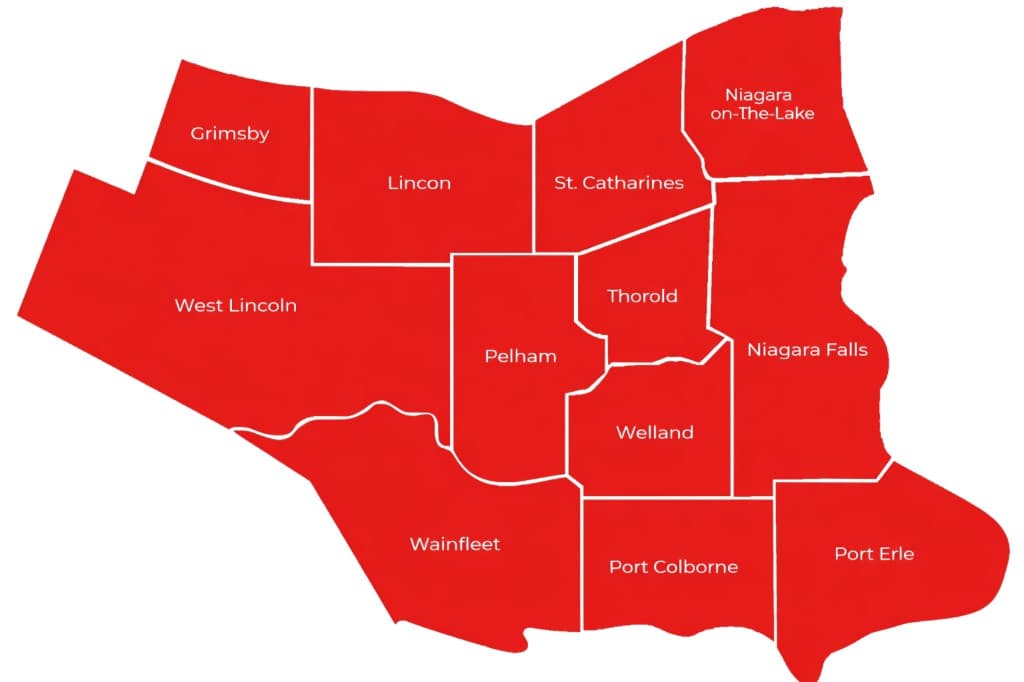
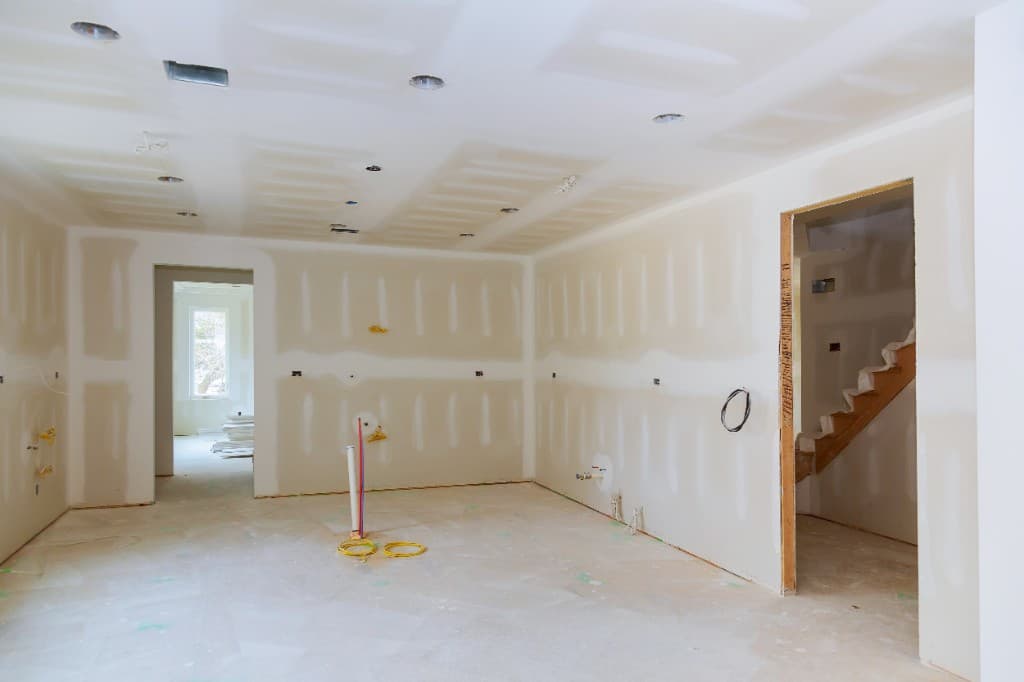
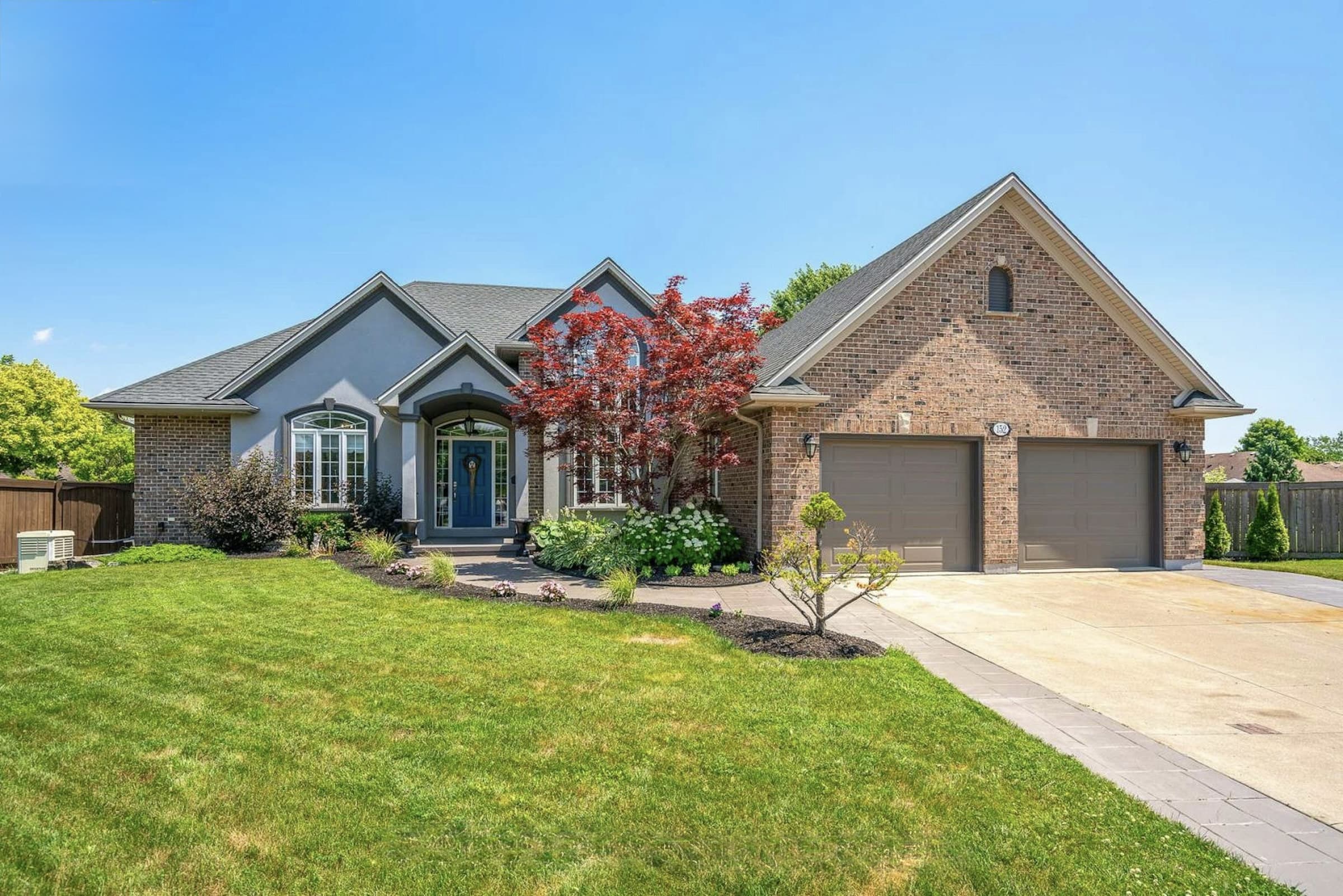
If you live in St. Catharines, Niagara Falls, Welland, or elsewhere in the Niagara Region, you have probably heard Bill 23 mentioned alongside basement apartments, garden suites, or three units on one lot. Ontario's 2022 legislation amended the Planning Act framework for additional residential units. In 2026, the current Planning Act and regulations—not a slogan about Bill 23—are what matter for a property.
This article explains, in plain language, what the additional-residential-unit framework generally means, what you still have to check before building, and why no province-wide rule guarantees approval for a specific design. It is not legal advice. Zoning, site conditions, servicing, conservation or heritage constraints, and provincial rules can change. Before spending money, talk to municipal planning and building staff and the qualified professionals your project requires.
What Bill 23 Actually Allows (Up to Three Residential Units on Many Lots)
Under the current Planning Act framework, municipalities generally cannot use official plans or zoning bylaws to prohibit the additional-unit configurations described in the Act on qualifying urban residential land.
In general terms, the Act addresses up to three residential units in a detached house, semi-detached house, or rowhouse on a qualifying parcel, or up to two units in the main building and one in an ancillary building. “As of right” concerns land-use permission; it does not waive Building Code, zoning standards that still apply, servicing, permits, or other law.
Flexible layouts
The mix can take different forms, for example:
- Up to three units within the main house, where the statutory conditions and building design allow, or
- Up to two units in the primary building and one unit in an ancillary building, subject to the rules that still apply.
Exactly how a lot can be configured depends on whether it is qualifying land and on zoning standards, servicing, Building and Fire Code requirements, applicable law, and the provincial rules in force when you apply. Do not assume that a particular three-unit layout is permitted without an address-specific planning check.
“No Rezoning” Does Not Mean “No Rules”
A common misunderstanding is that as of right means no paperwork. It does not.
As of right (where it applies) generally means a rezoning is not required simply to permit the additional-unit use described by the Act. A proposal may still need:
- A building permit and required inspections
- Compliance with zoning standards that remain applicable, such as setbacks and height
- Heritage, conservation authority, septic, servicing, or other approvals where applicable
- A minor variance or other planning process if the design does not meet an applicable standard
Niagara is not one city. Each lower-tier municipality has its own application process, fees, zoning information, and staff contacts.
What You Still Need: Building Permits and Code Compliance
Creating an additional residential unit generally requires a building permit. The permit documents identify the work and inspections that apply, which may include:
- New kitchens and bathrooms serving a separate unit
- Structural work for egress, openings, or new foundations
- Fire separation between units
- Electrical and plumbing systems for a second or third unit
The Ontario Building Code addresses life safety, exits, alarms, fire separations, stairs, ceiling heights, structure, plumbing, and other construction matters. Electrical work follows a separate Electrical Safety Authority process.
Skipping a required approval can create municipal, insurance, financing, resale, and tenant-safety problems. Byout Renovations plans construction against approved documents where a permit applies. See our Legal Secondary Suites page for suite-specific detail.
Exclusions and “Not Every Lot”
The statutory framework applies to defined land and includes conditions and exceptions. Rural, privately serviced, hazard, conservation-regulated, heritage, or legally non-conforming properties may require a different analysis from an urban lot on municipal water and sewer. Ask the municipality and any other authority with jurisdiction early.
How This Can Affect Property Use and Value
An approved unit may give a household options for multigenerational living or long-term rental use. Its effect on value, rent, mortgage qualification, insurance, and operating costs is property- and market-specific. Appraisers, lenders, insurers, and buyers may ask for permits, inspection records, and other documentation.
We do not guarantee rent, occupancy, appreciation, or resale recovery. Compare current local rentals and sales, then obtain advice from the relevant real estate, appraisal, lending, insurance, legal, and tax professionals.
Types of ADUs You Can Build (Conceptually)
ADU means accessory dwelling unit or additional residential unit in policy conversations. Common forms in Niagara:
Basement suite (secondary unit)
A self-contained apartment in the basement with its own kitchen, bath, and an approved exit arrangement where the land use and building allow. Existing space can avoid the cost of a new detached structure, but low headroom, moisture, structure, services, and life-safety work can still make the conversion complex. Our 2026 legal basement suites guide goes deeper.
Garage conversion
Turning an attached or detached garage into a living unit. Often needs insulation, floor structure, utilities, and parking replanning because you removed vehicle storage. Zoning may still regulate location and size of ancillary buildings.
Garden suite / backyard dwelling
A small detached home in the yard, sometimes prefabricated. It needs its own approved foundation, structure, services, access, and site plan. Cost depends on the design and property; do not assume a prefab unit bypasses permits or site work.
Each type must comply with the standards and approvals that apply to the address, which may include setbacks, height, lot coverage, emergency access, servicing, and the Ontario Building Code.
What Niagara Homeowners Should Do Next
- Call your municipal planning counter and ask: “Does my lot qualify for additional residential units as of right, and what is the maximum unit count and configuration?”
- Engage the required qualified designer, architect, engineer, or other professional for the drawings and supporting work.
- Budget for permits, inspections, and code compliant construction, not just finishes.
- Talk to your lender if you need financing; programs and products change year to year.
- Hire a contractor who will not advise you to skip permits.
We Build Compliant Residential Work Across Niagara
If you are exploring a second or third unit, use our Niagara legal-suite planning guide to understand the feasibility and permit questions, then review our legal secondary-suite construction service. Start by confirming what is realistic on your property with the municipality and qualified professionals.
Sources and Official Checks
- Ontario: Planning Act
- Ontario: Zoning bylaws and the additional-residential-unit framework
- Ontario: Add a second unit in your house
- City of St. Catharines: Pre-approved detached ADU designs
- City of Niagara Falls: Additional dwelling units
- City of Welland: Building permits
Last updated July 2026. The Planning Act, regulations, municipal bylaws, and interpretations can change. Confirm eligibility, zoning, permit, and applicable-law requirements before you build.

About the author
Ghassan Barakat
Founder & Owner, Byout Renovations
Ghassan Barakat is the founder and owner of Byout Renovations. He leads project scoping and construction coordination from the written quote through the final walkthrough.
Related services